
Definition
The medical term for ” plantar fasciitis refers to an inflammation of the insertion of the plantar fascia on the heel bone (calcaneus). The plantar fascia is a broad band of fascial relatively rigid, which extends from the region heel piece to the toes. It is in fact a kind of extension of the Achilles tendon. This structure is not very elastic and plays an important role in the stabilization of the arch of the foot during movements of walking and standing.
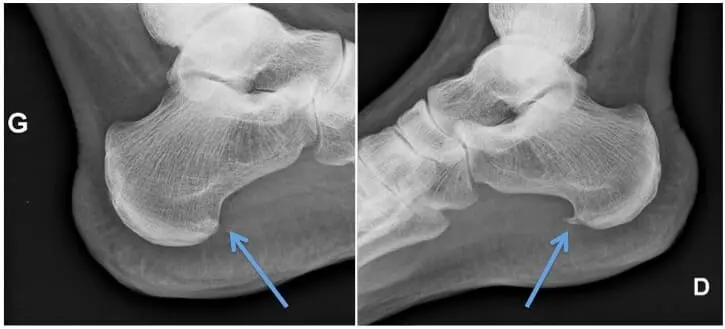
Symptoms
The typical complaint is a stabbing and dull pain below the heel, especially in the first steps in the morning or after having been seated for a while. After some time of movement, the pain decreases but re-intensifies as the evening comes.
Causes
As possible causes, overweight, an overloading of that particular spot or a stiffness of the Achilles tendon are often indicated.
Treatment
The treatment will therefore be focused on multiple factors:
- Local and oral anti-inflammatory drugs
- Alternating hot and cold baths
- Vitamin C
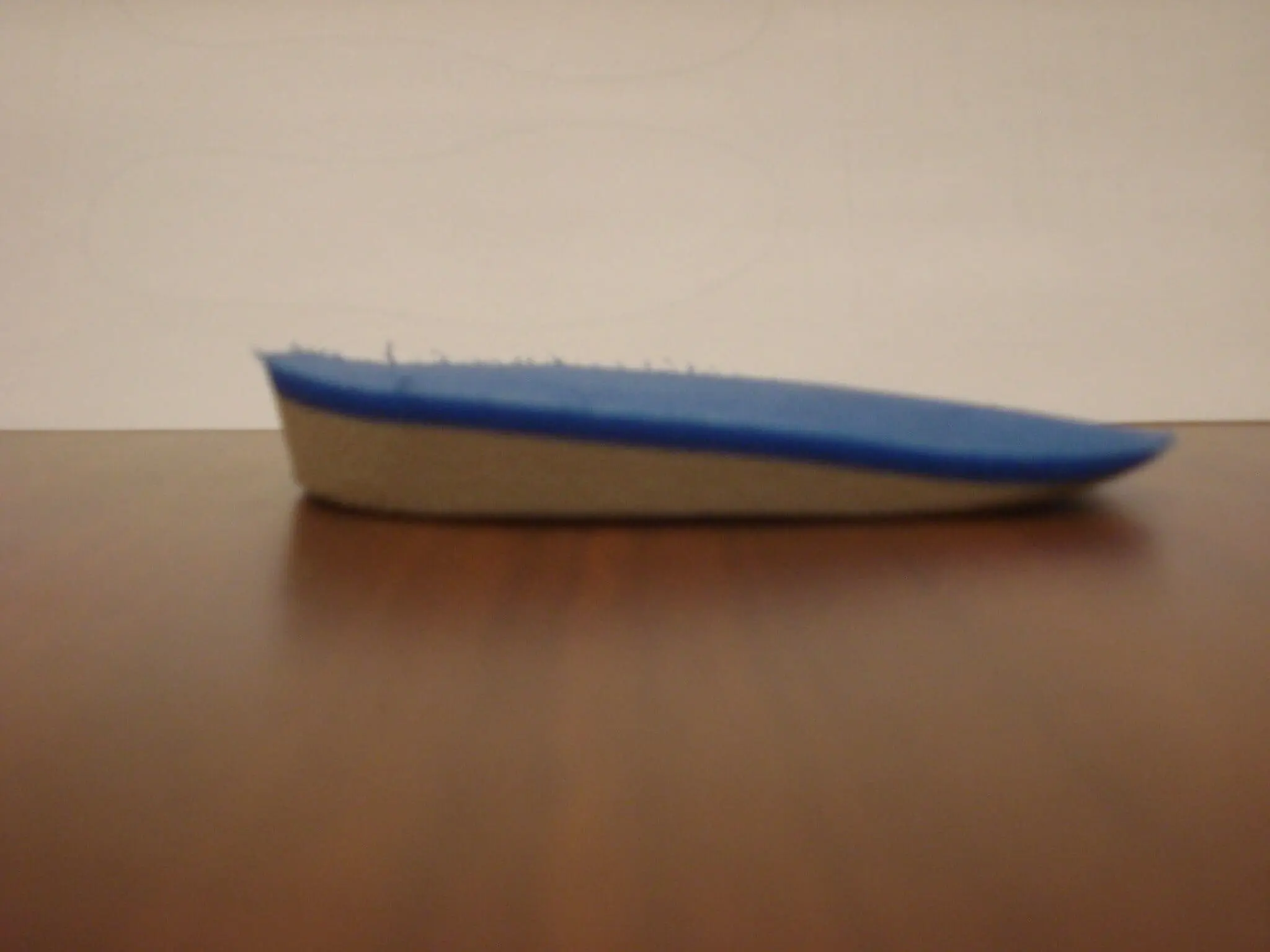
- Wearing shock-absorbing heels (Nike air shoes, Crocs, MBT shoes…)
- Stretch exercises for the lower limb, particularly of the Achilles tendon
- Stretch exercises for the lower limb, particularly of the Achilles tendon
If this proves insufficient, you can have an electro-shockwave therapy or attempt an infiltration with Cortisone. Provided some patience, 95% of the patients will over a period of several months become painfree.
If ordinary therapy proves unsuccessful, a tarsal tunnel syndrome must be thought of, or, in a few cases, a heel pad syndrome, after which treatment should be adjusted.
Only very rarely, an operation should be proposed. With this, approximately 2/3 of the attachment of the plantar fasciitis is cut loose. This can be either an open or an endoscopic surgery.